Each July, we pause to recognize Bebe Moore Campbell National Minority Mental Health Awareness Month, a time dedicated to raising awareness about the mental health challenges faced by racial and ethnic minority communities. This observance not only honors the legacy of author and advocate Bebe Moore Campbell, but also calls us to action—to listen, learn, and lead with empathy.
Why This Month Matters
Mental health is a universal concern, but access to care and quality of treatment are not equally distributed. According to the CDC, nearly 1 in 4 U.S. adults lives with a mental illness, yet racial and ethnic minority groups are significantly less likely to receive mental health services. When they do, the care is often of lower quality due to systemic barriers, implicit bias, and cultural disconnects.
Key Statistics That Demand Our Attention
- Hispanic adults are 50% less likely to receive mental health treatment compared to non-Hispanic white adults.
- Black and African American adults are more likely to experience persistent symptoms of emotional distress, such as sadness and hopelessness, but are less likely to seek treatment.
- Asian Americans have the lowest help-seeking rate of any racial or ethnic group, often due to stigma and language barriers.
Turning Awareness into Action
Mental Health America’s 2025 BIPOC Mental Health Toolkit offers culturally responsive resources to help individuals and organizations take meaningful steps toward equity. From worksheets on healing traditions to advocacy guides, the toolkit empowers communities to care for themselves and each other.
The CDC also provides guidance for prioritizing minority mental health, emphasizing the importance of culturally and linguistically appropriate services, inclusive programming, and community partnerships.
What You Can Do
- Educate yourself and others about the mental health disparities affecting BIPOC communities.
- Support culturally competent care by advocating for diverse mental health providers and inclusive policies.
- Check in with your community—sometimes, a simple conversation can be a lifeline.
Let’s use this month not just to raise awareness, but to build bridges—between communities, between systems, and between people. Because mental health equity isn’t just a goal—it’s a necessity.
If you or someone you know is struggling with mental health challenges, you’re not alone—and help is available. You can call the National Mental Health Hotline at 866-903-3787 or dial 988 for the Suicide & Crisis Lifeline, both available 24/7 for free and confidential support.
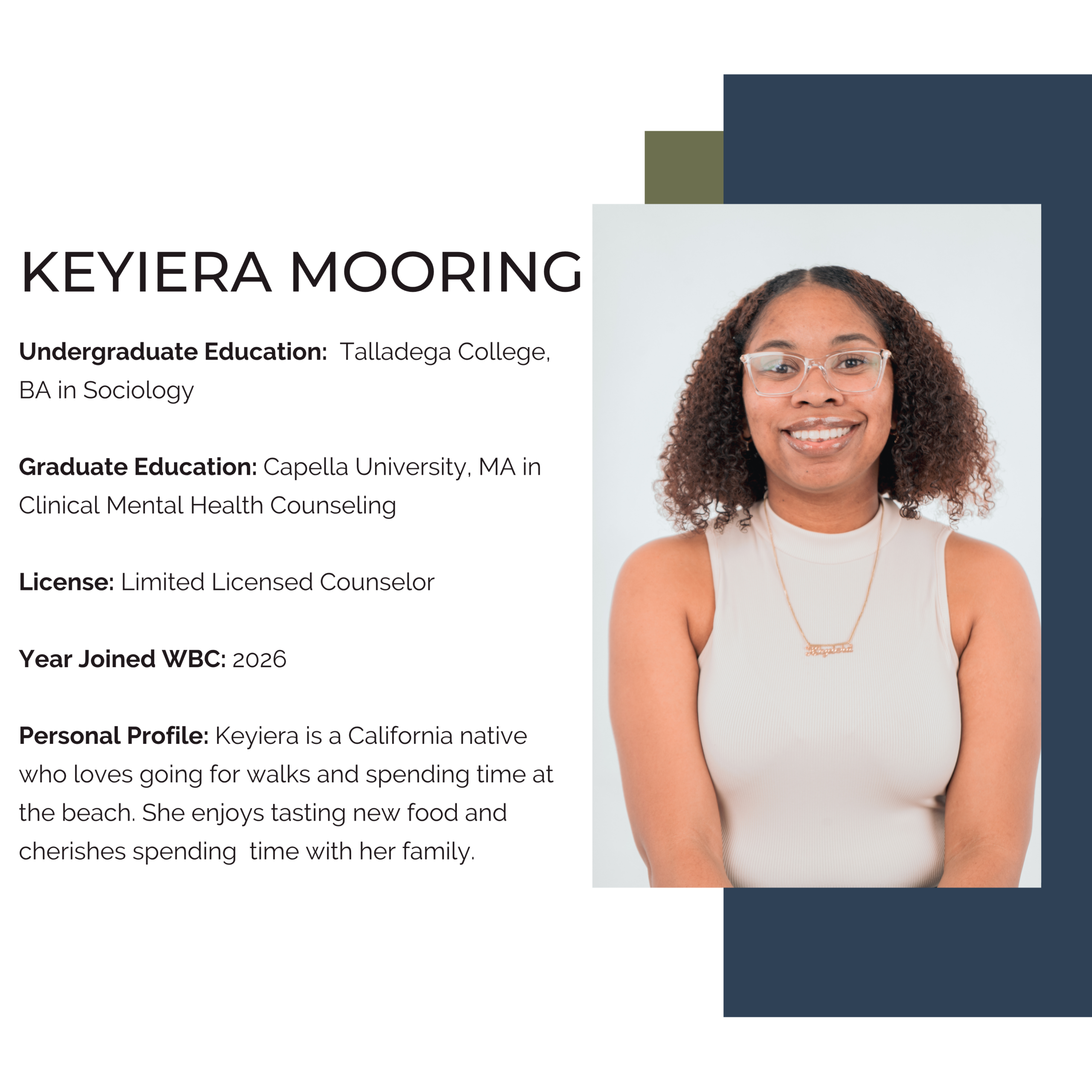
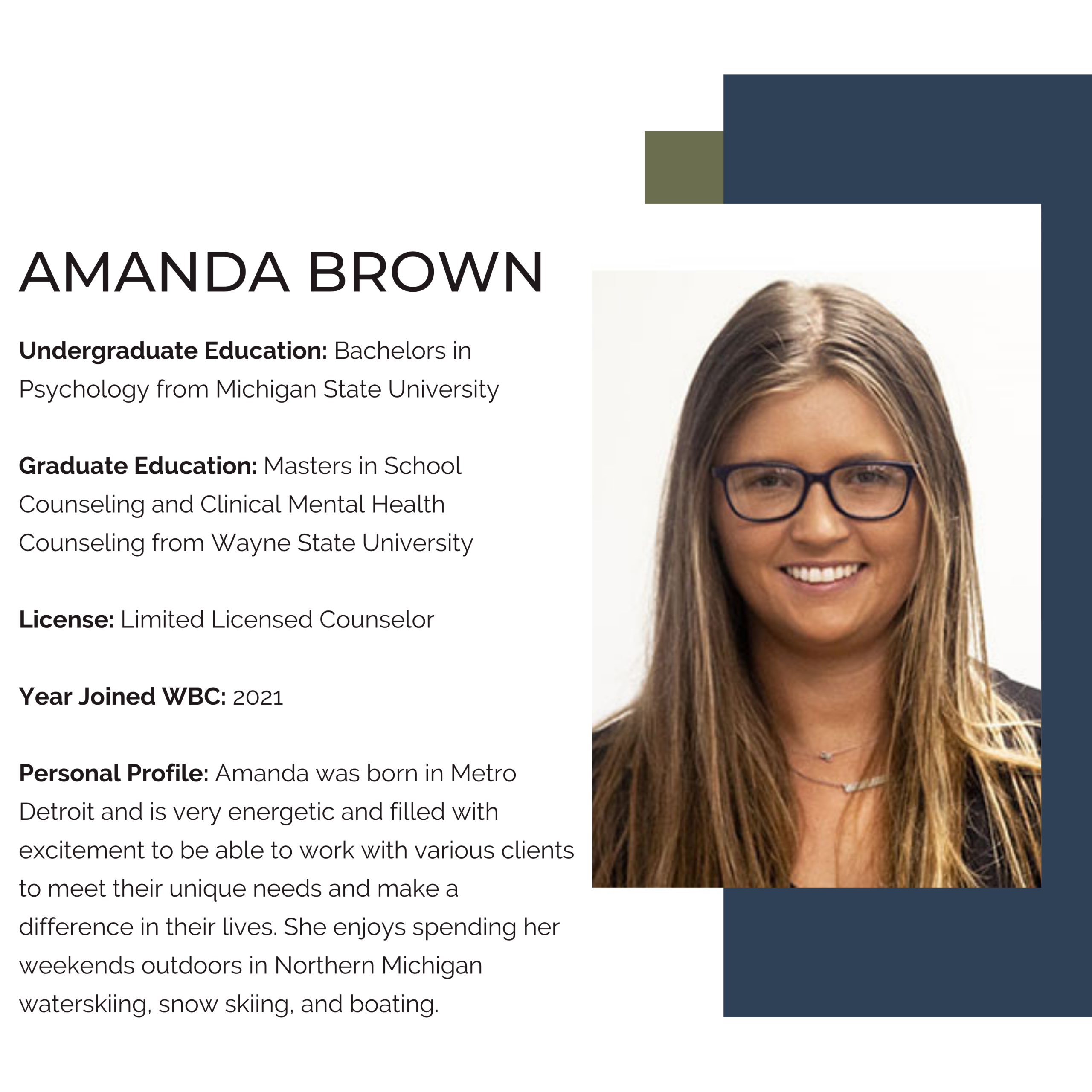
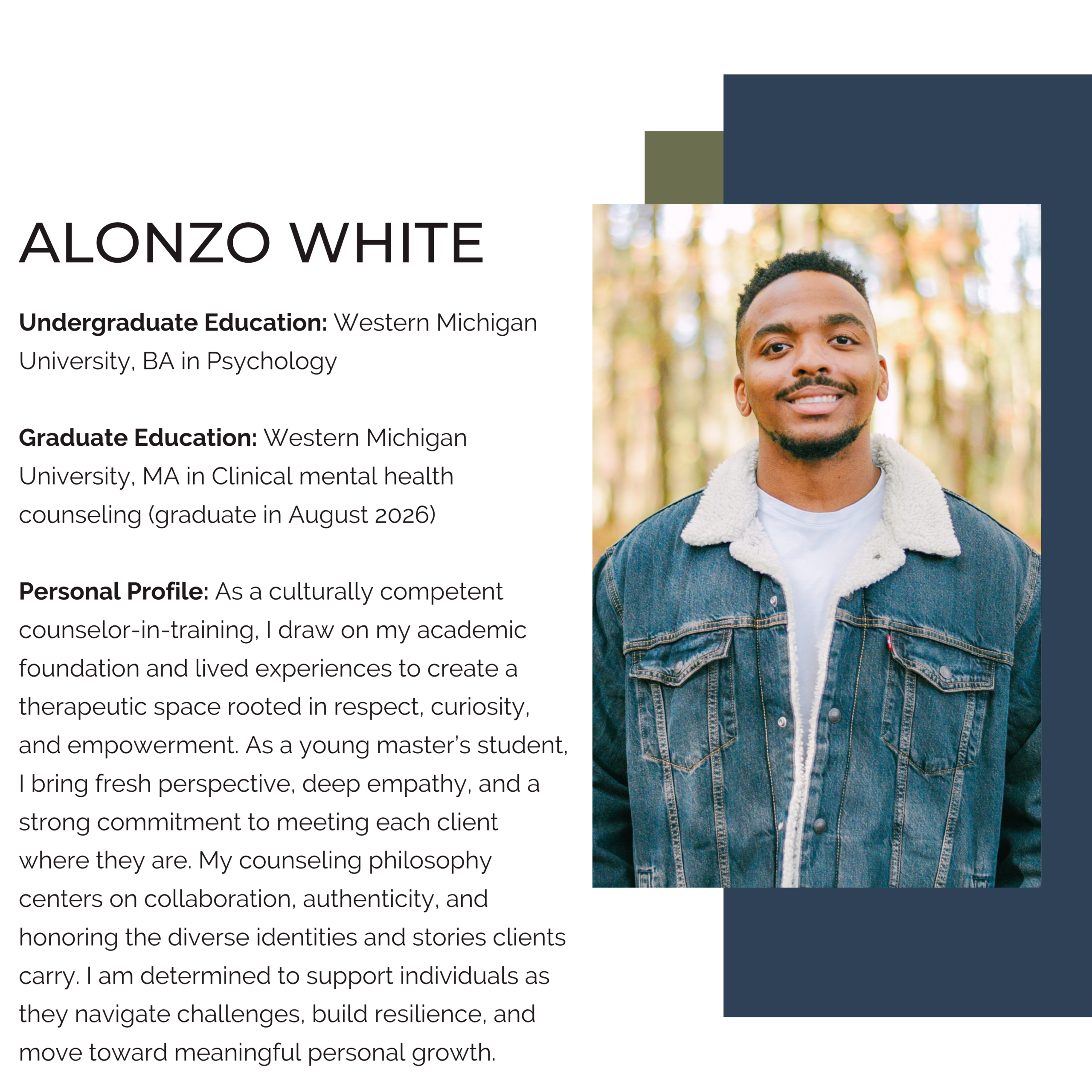
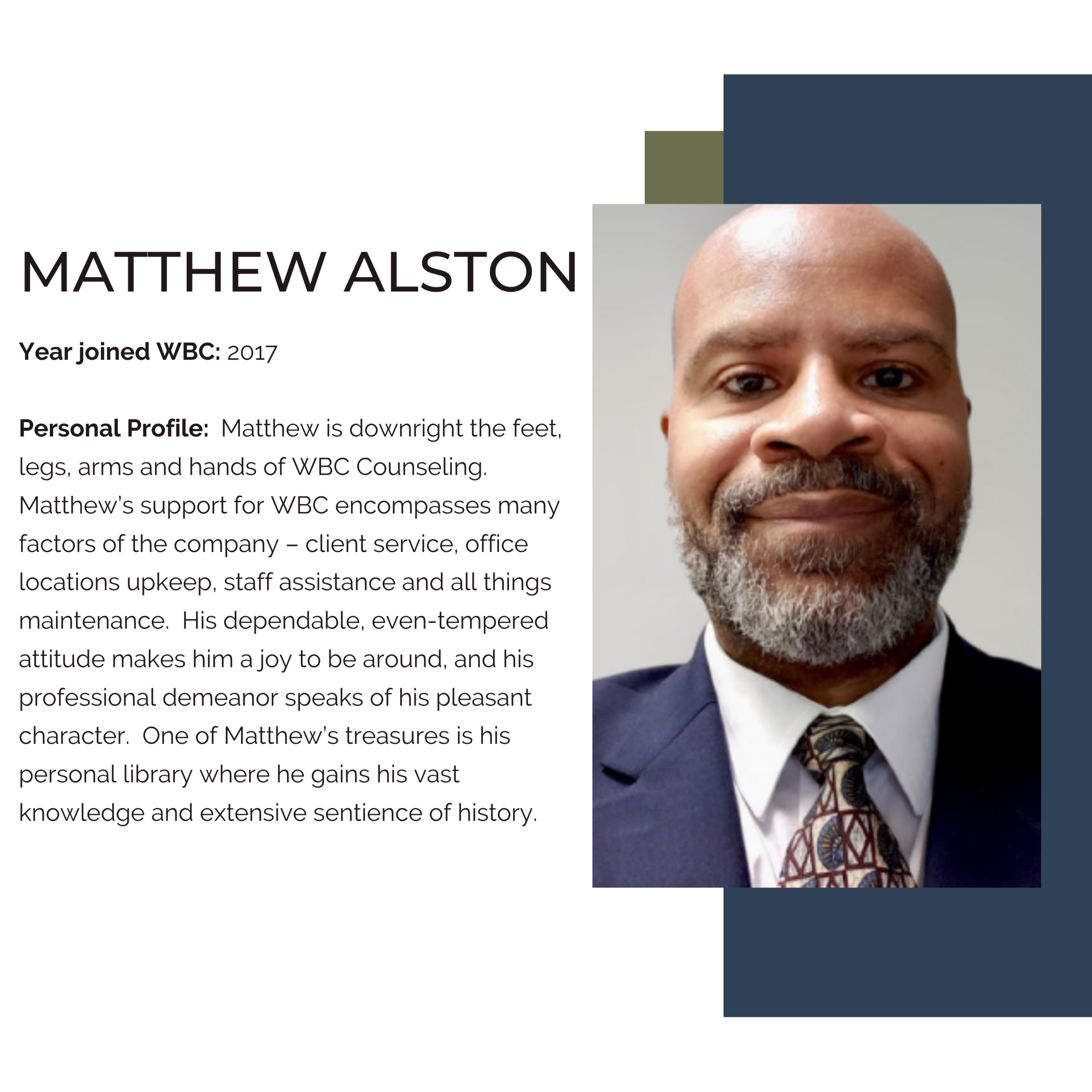
Additionally, WBC Counseling provides compassionate and responsive care tailored to your specific needs. Reaching out is a sign of strength—and the first step toward healing.