Every March, Brain Injury Awareness Month shines a spotlight on the experiences of millions of individuals living with traumatic brain injuries (TBI) and their journeys toward recovery. This annual observance provides an opportunity to educate the public, break down stigmas, and advocate for better support.
Understanding Brain Injuries
A traumatic brain injury can result from a blow or jolt to the head or a penetrating head injury that disrupts the normal function of the brain. Symptoms can range from mild (a brief change in mental status) to severe (an extended period of unconsciousness or amnesia). Regardless of the severity, TBIs can have long-lasting effects on a person’s cognitive, physical, and emotional well-being. Learn more about TBI symptoms, causes, and types here.
Personal Stories of Resilience
One of the most powerful aspects of Brain Injury Awareness Month is sharing personal stories. These narratives of resilience, courage, and determination highlight the human spirit’s capacity to overcome incredible challenges.
The conversation is shifting, but progress is still needed. The more we normalize discussing mental health, the more we empower people to seek the support they deserve without fear or shame.
Importance of Early Intervention
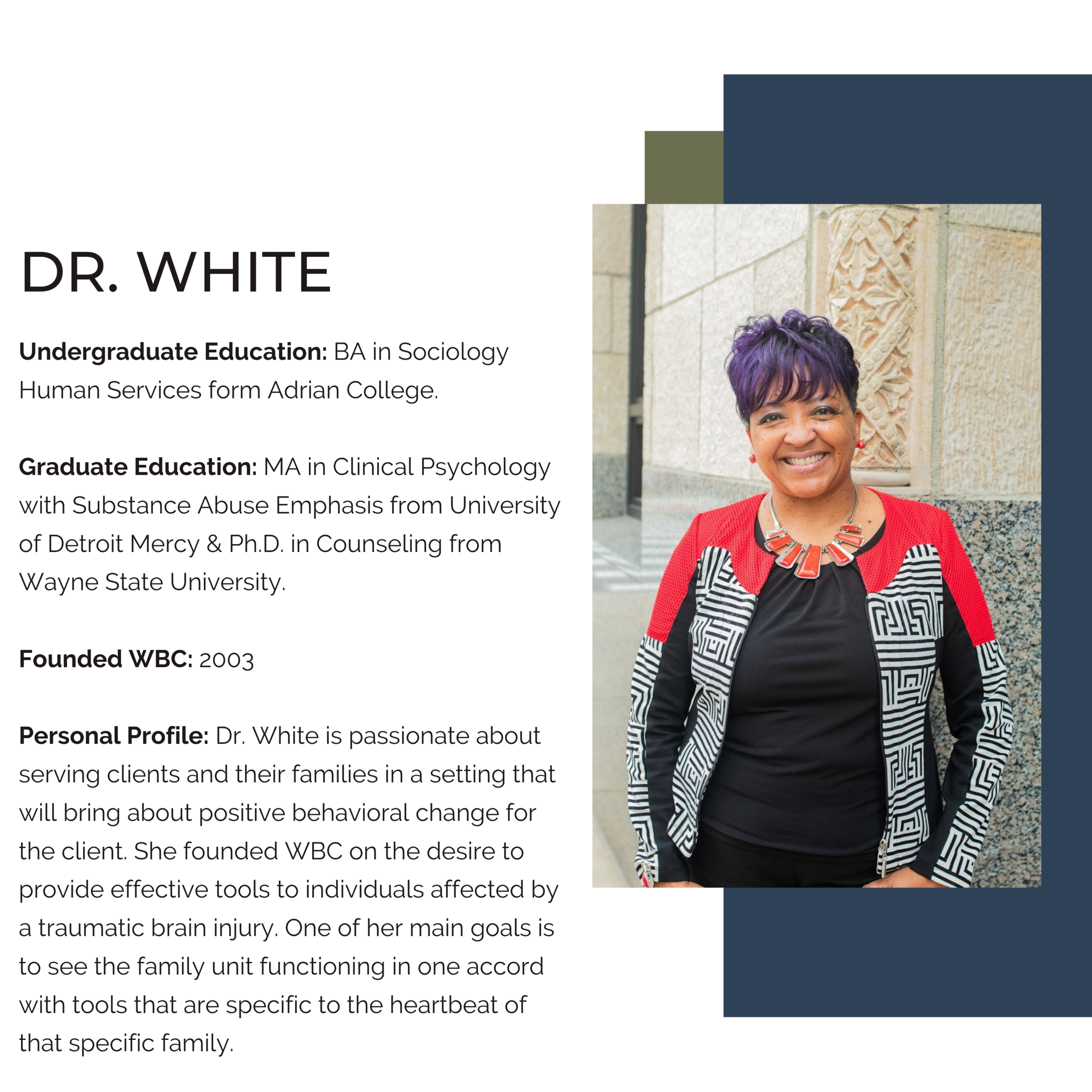
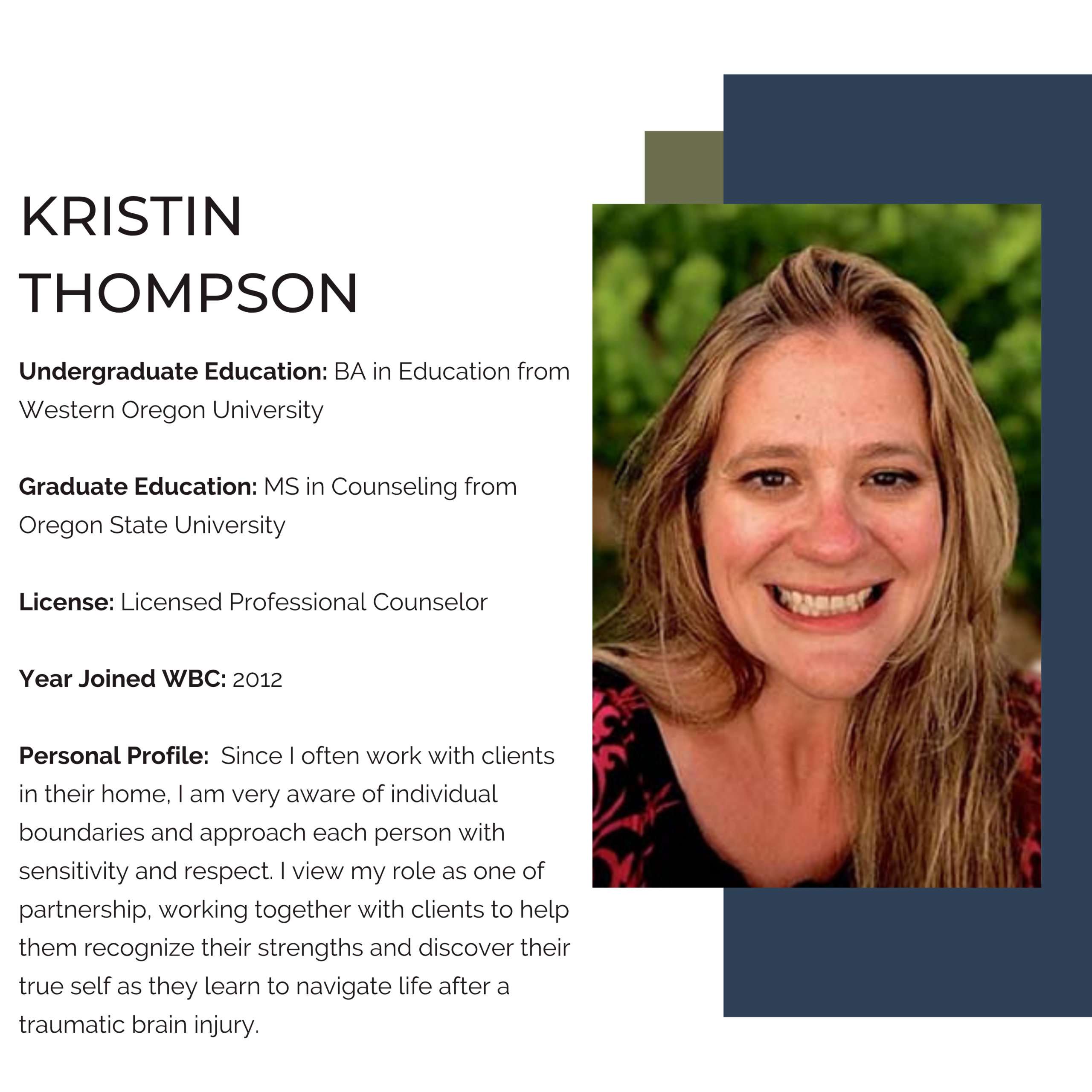
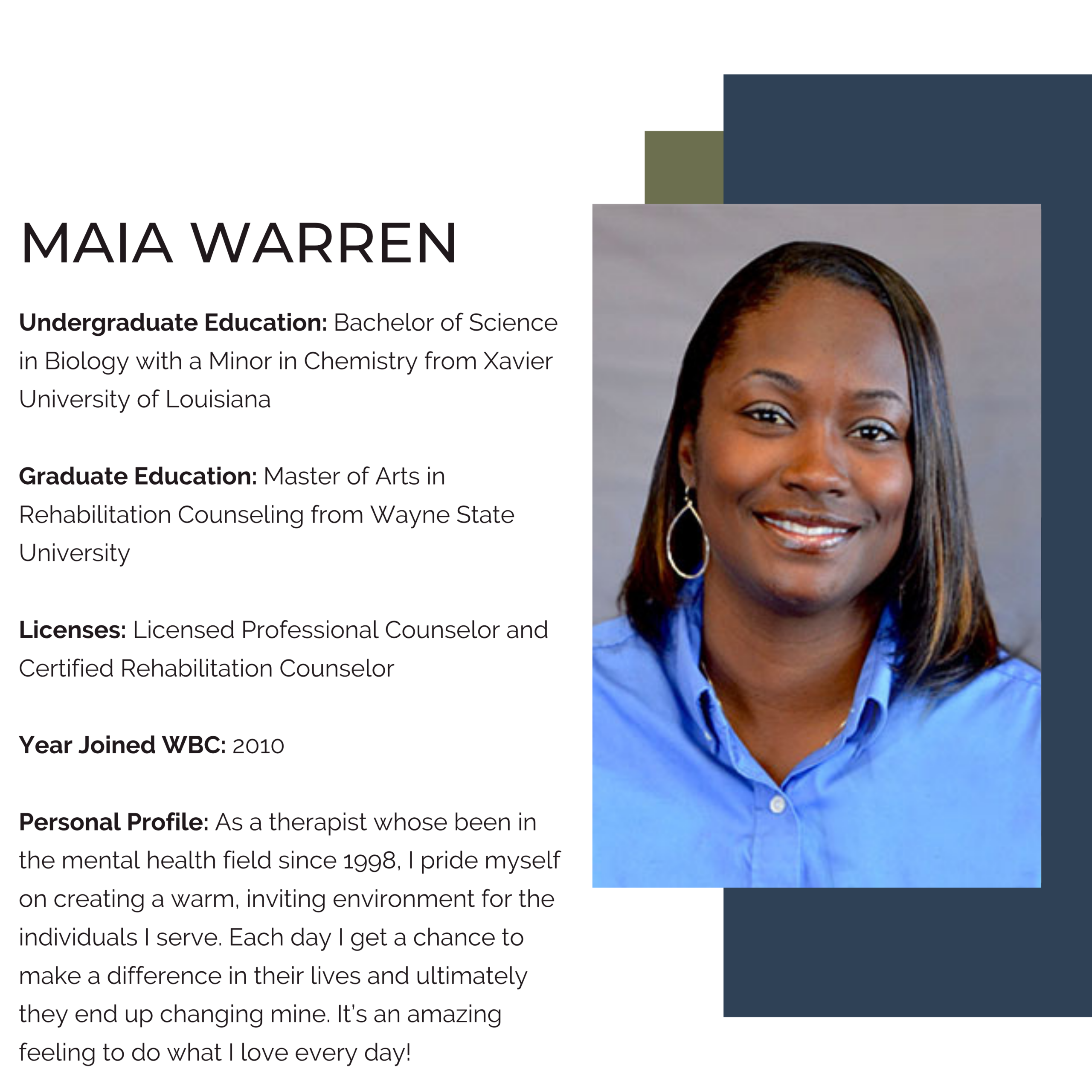
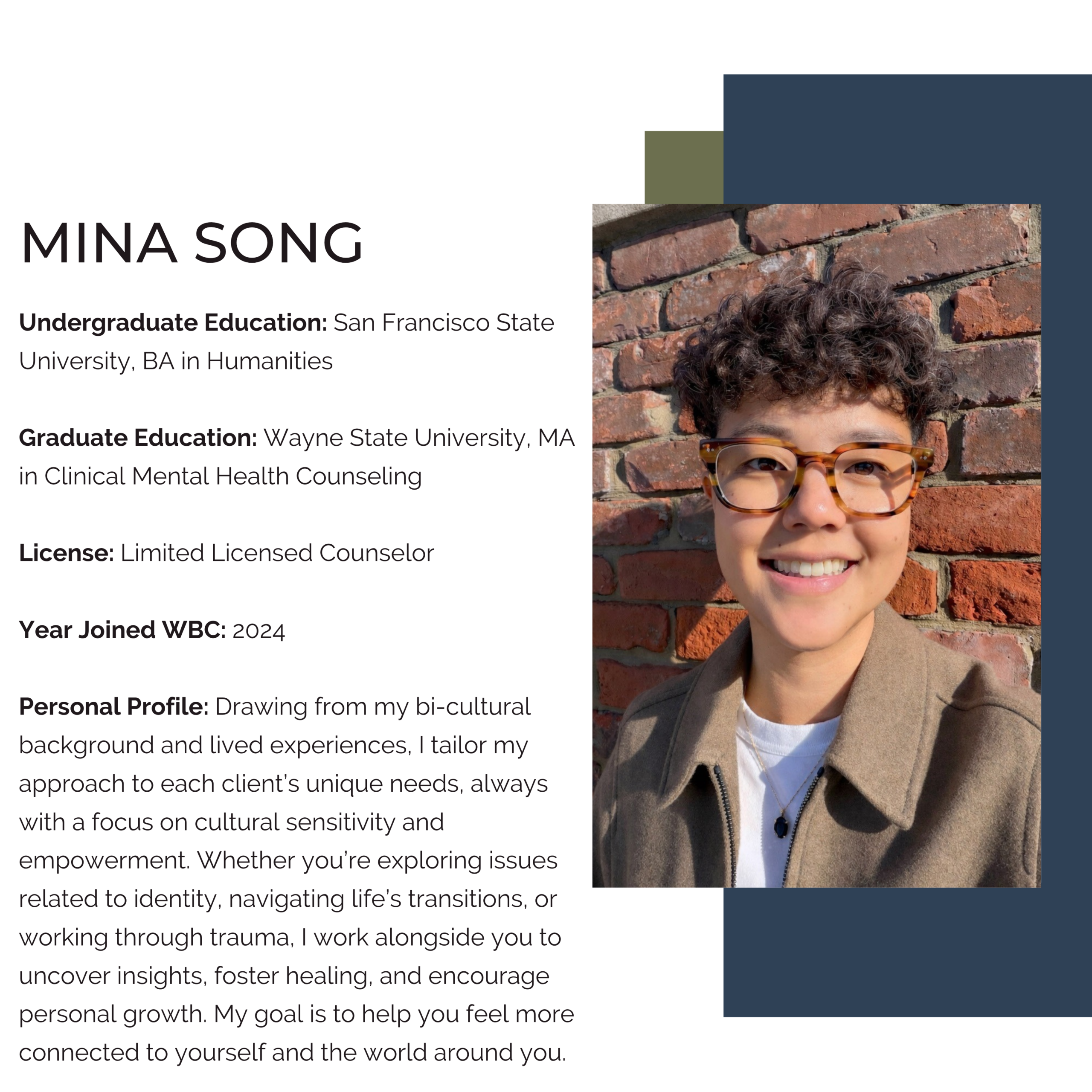
TBI survivors can benefit greatly from early behavioral therapy as it helps to enhance cognitive recovery, improve emotional regulation, and develop coping strategies that facilitate better long-term outcomes. WBC Counseling specializes in TBI therapy services.
Advocating for Better Support
Advocacy efforts during Brain Injury Awareness Month improve the resources and support available to individuals with TBIs. This includes better healthcare policies, more funding for research, and improved access to rehabilitation services. It also involves educating employers, schools, and communities on how to support those living with brain injuries.
How You Can Get Involved
There are many ways to participate in Brain Injury Awareness Month. You can share information on social media or volunteer with organizations dedicated to brain injury support and research. Every action helps to raise awareness and promote understanding.
Conclusion
Brain Injury Awareness Month is more than just a campaign; it’s a call to action. It’s an opportunity for us to come together, educate ourselves and others, and work towards a future where individuals with TBIs receive the support and respect they deserve. By promoting awareness and advocacy, we can contribute to a world where every individual affected by brain injury has the chance to lead a fulfilling and independent life.
If you or someone you know is affected by a brain injury, remember that you are not alone. There are resources and communities ready to offer support and guidance. Brain Injury Association of Michigan.