Emotional and Cognitive Support for Students
Returning to School After a TBI is a major milestone, but it often comes with unique emotional, cognitive, and social challenges. Whether a student is returning after a concussion or a more severe traumatic brain injury (TBI), the transition back to the classroom can feel overwhelming. While physical recovery may be visible, many of the lasting effects of a brain injury are not.
With the right support system, accommodations, and therapeutic care, students can successfully adjust to school and continue reaching their academic and personal goals.
Every Recovery Looks Different
No two brain injuries are exactly alike. Some students return to school within a few weeks, while others require months of rehabilitation before they are ready for a full academic schedule.
The effects of a TBI can vary depending on the severity of the injury, the area of the brain affected, and the student’s age. Recovery is rarely a straight line. Some days may feel easier than others, and that’s okay.
Creating realistic expectations helps students, families, and educators focus on progress instead of perfection.
Common Cognitive Challenges
One of the biggest hurdles when returning to school after a TBI is managing changes in thinking and learning.
Students may experience:
- Difficulty concentrating during lessons
- Problems with short-term memory
- Slower processing speed
- Trouble organizing assignments
- Difficulty planning or prioritizing tasks
- Increased mental fatigue
- Challenges with problem-solving
These cognitive changes can make schoolwork feel much more difficult than it did before the injury, even for students who previously excelled academically.
Emotional Changes Are Just as Important
The emotional impact of a traumatic brain injury is often overlooked.
Students may feel frustrated because learning doesn’t come as easily as it once did. Others may worry about falling behind classmates or feel embarrassed asking for help. Anxiety, sadness, irritability, and lower self-confidence are also common during recovery.
Returning to familiar environments can sometimes highlight what has changed, making emotions even more difficult to manage.
Recognizing these feelings early and providing emotional support can make a significant difference in a student’s recovery.
The Importance of School Accommodations
Many students benefit from temporary or long-term academic accommodations after a TBI. These supports allow students to continue learning while reducing unnecessary stress.
Depending on the student’s needs, accommodations may include:
- Reduced homework assignments
- Extended time on tests and quizzes
- Frequent rest breaks
- Shortened school days during recovery
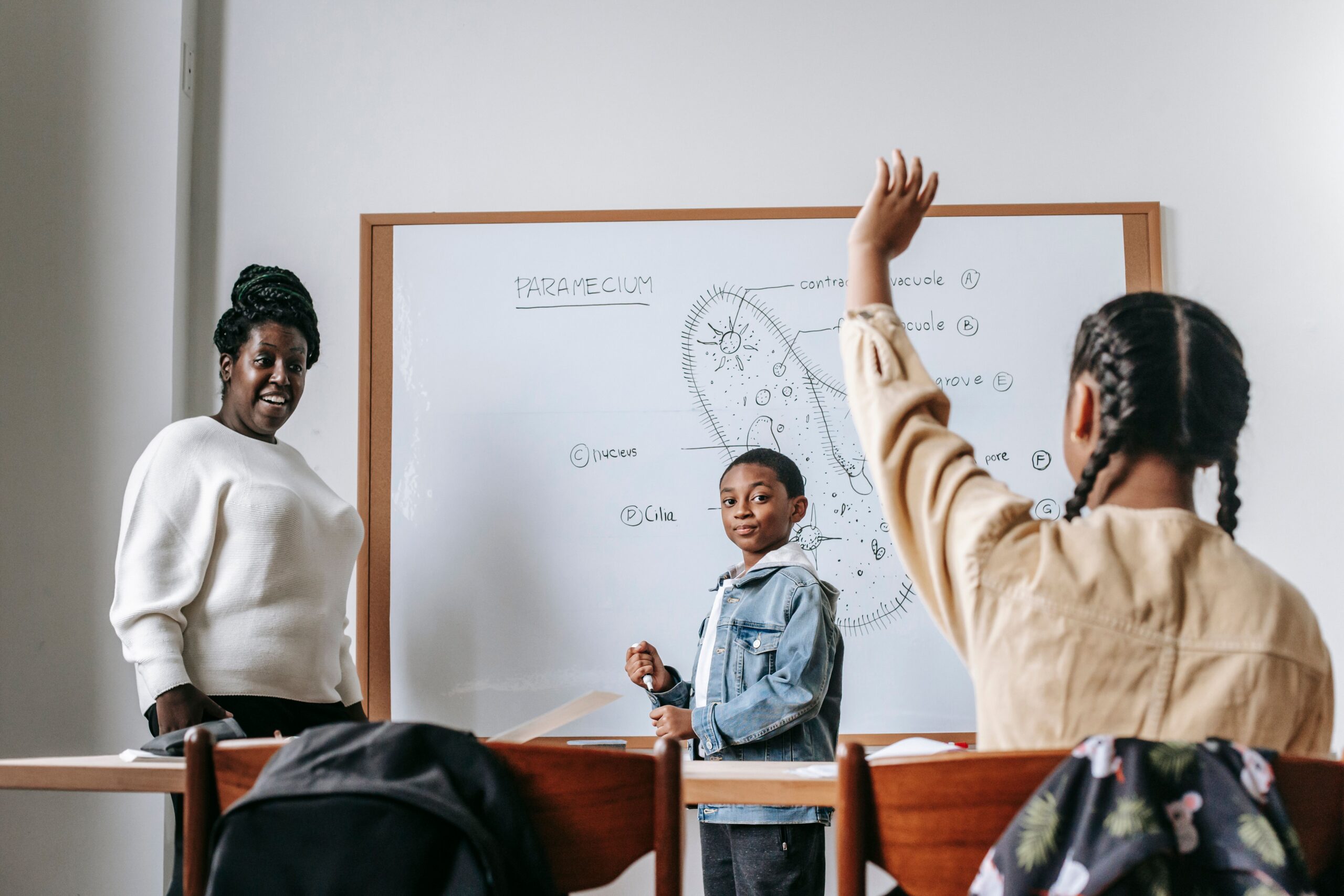
- Preferential classroom seating
- Access to class notes
- Permission to record lectures
- Reduced screen time when needed
Open communication between parents, teachers, school counselors, healthcare providers, and therapists helps ensure accommodations remain appropriate as recovery progresses.
Supporting Social Reintegration
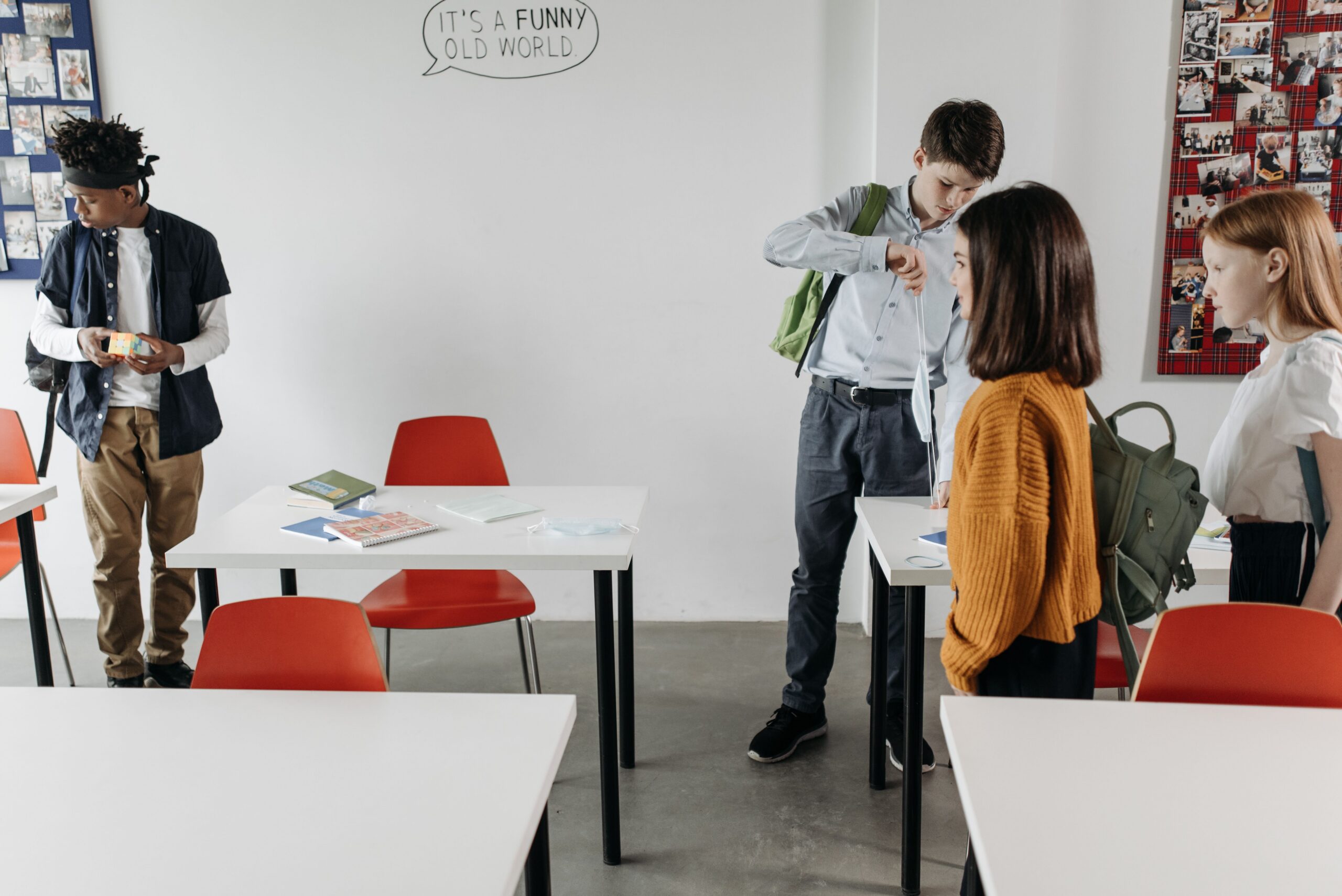
School is about much more than academics. Friendships and social connections are an important part of every student’s well-being.
After a brain injury, students may feel isolated or disconnected from peers. They might miss extracurricular activities, struggle to keep up with conversations, or feel self-conscious about the changes they’ve experienced.
Encouraging gradual participation in school activities, clubs, or social events can help students rebuild confidence and reconnect with friends at a pace that feels comfortable.
Teachers and school staff can also play an important role by fostering an inclusive and supportive classroom environment.
How Counseling Can Help
Counseling provides students with a safe place to process the emotional and psychological effects of a traumatic brain injury.
A therapist can help students:
- Build healthy coping skills
- Manage anxiety and stress
- Improve emotional regulation
- Strengthen self-confidence
- Process grief related to changes after the injury
- Develop strategies for managing school-related challenges
Therapy can also support parents and caregivers as they navigate the recovery process and advocate for their child’s educational needs.
A Team Approach to Recovery
Successfully returning to school after a TBI often requires collaboration among families, educators, medical professionals, and mental health providers.
When everyone works together, students receive consistent support both at home and in the classroom. Regular communication allows accommodations to evolve as recovery continues and helps identify new challenges before they become overwhelming.
Recovery is not about returning to exactly who someone was before the injury. Instead, it is about helping each student discover new strengths, adapt to challenges, and continue moving forward with confidence.
WBC Counseling Is Here to Help
At WBC Counseling, we understand that recovering from a traumatic brain injury extends far beyond physical healing. Our therapists work with children, adolescents, and adults to address the emotional, cognitive, and behavioral challenges that can arise after a TBI.
Whether your child is preparing to return to school or is already navigating classroom challenges, our team is here to provide compassionate, individualized support every step of the way.
If you or a loved one is returning to school after a TBI, WBC Counseling is committed to helping students build resilience, regain confidence, and thrive both academically and emotionally. Together, we can help put the pieces back together.