How to Choose a Trauma-Informed Therapist for TBI
Recovering from a traumatic brain injury (TBI) is about more than healing physically. Many people also experience emotional, behavioral, and cognitive changes that can affect nearly every aspect of daily life. Anxiety, depression, frustration, grief, memory challenges, and changes in relationships are all common after a brain injury.
While therapy can be an important part of recovery, not every therapist has experience working with the unique challenges that often accompany a traumatic brain injury.
Choosing a trauma-informed therapist who understands the complexities of TBI recovery can make a meaningful difference. Here’s what to look for—and why specialized care matters.
Why Experience with Traumatic Brain Injuries Matters
Traumatic brain injuries affect everyone differently. Two people with similar injuries may have very different symptoms, recovery timelines, and emotional needs.
A therapist who understands brain injuries recognizes that challenges such as memory difficulties, slower processing, fatigue, or emotional regulation are not character flaws—they may be part of the healing process.
Rather than using a one-size-fits-all approach, experienced therapists adapt treatment to meet each person’s strengths, goals, and abilities. Trauma-Informed Therapist for TBI
Look for a Trauma-Informed Approach
Trauma-informed care is more than a therapy technique. It is a philosophy that guides every interaction between a therapist and client.
A trauma-informed therapist understands that past experiences—including a traumatic brain injury—can influence how someone feels, communicates, and responds to stress.
Instead of focusing only on symptoms, trauma-informed care emphasizes safety, trust, collaboration, empowerment, and respect. This approach helps create an environment where clients feel understood rather than judged.
For individuals recovering from a TBI, that sense of safety can be an important foundation for healing. Trauma-Informed Therapist for TBI
Individualized Care Makes a Difference
No two recovery journeys are the same.
Some individuals return to work quickly but struggle with anxiety. Others may experience long-term changes in memory, relationships, or confidence. Because every person has different needs, therapy should never feel like a standard checklist.
An effective therapist takes time to understand your unique experiences, listens to your goals, and develops a treatment plan that fits your life—not someone else’s.
Personalized care allows therapy to evolve as your recovery progresses.
Collaboration Is an Important Part of Recovery
Traumatic brain injury recovery often involves a team of professionals. Physicians, neurologists, rehabilitation specialists, speech therapists, occupational therapists, and family members may all play important roles.
A therapist who values collaboration understands that mental health is one piece of the larger recovery process. When appropriate, coordinating care with other providers can help ensure clients receive well-rounded support.
This team-based approach also helps clients feel more confident as they work toward their personal goals.
Accessibility Shouldn't Be a Barrier
Receiving specialized care can sometimes feel difficult, especially for individuals who live outside larger cities or experience transportation challenges.
When evaluating a therapy practice, consider whether they offer flexible options such as teletherapy. Virtual counseling allows many individuals to receive consistent, high-quality care without the added stress of travel.
For many people recovering from a traumatic brain injury, having access to therapy from home can make ongoing treatment more manageable.
What Sets WBC Counseling Apart?
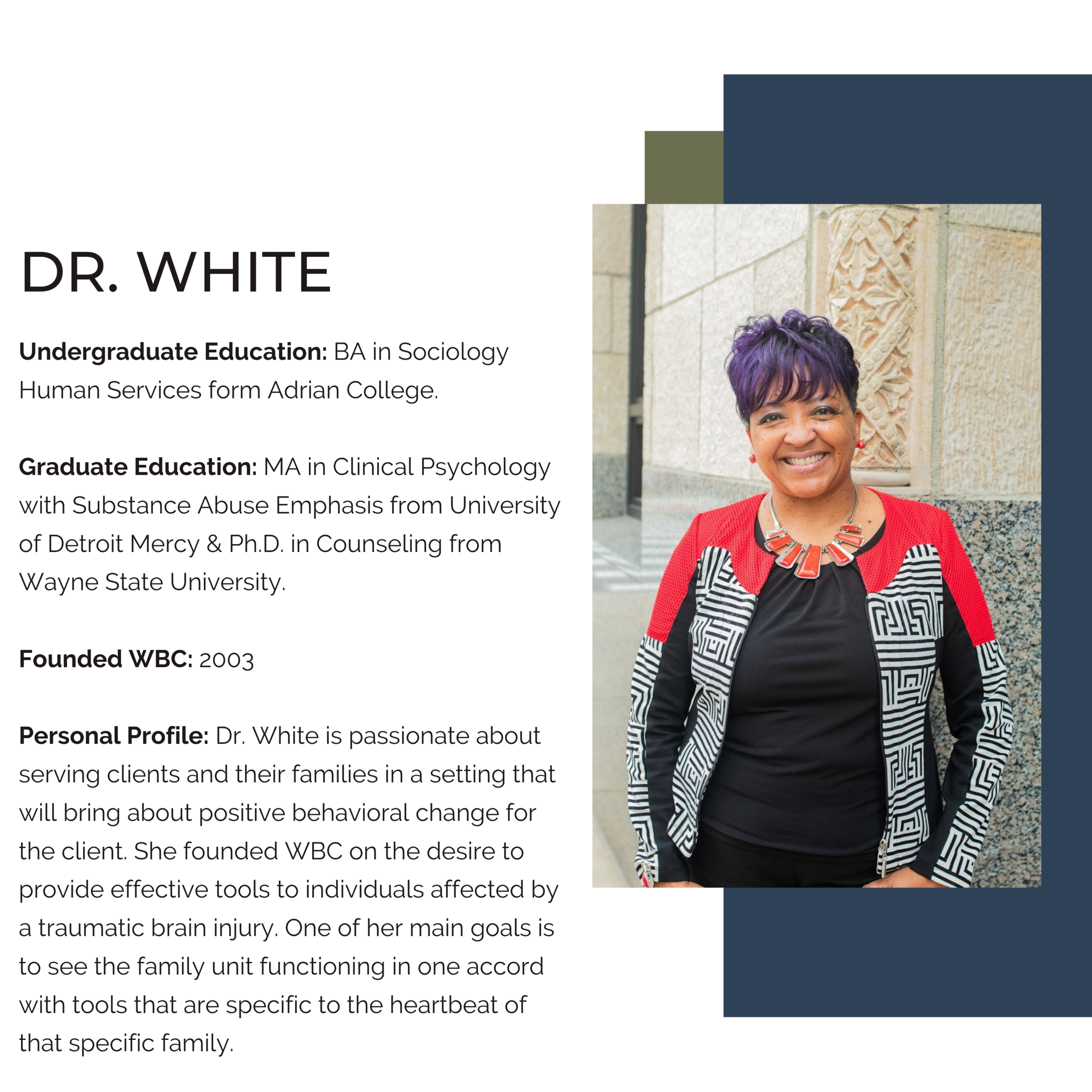
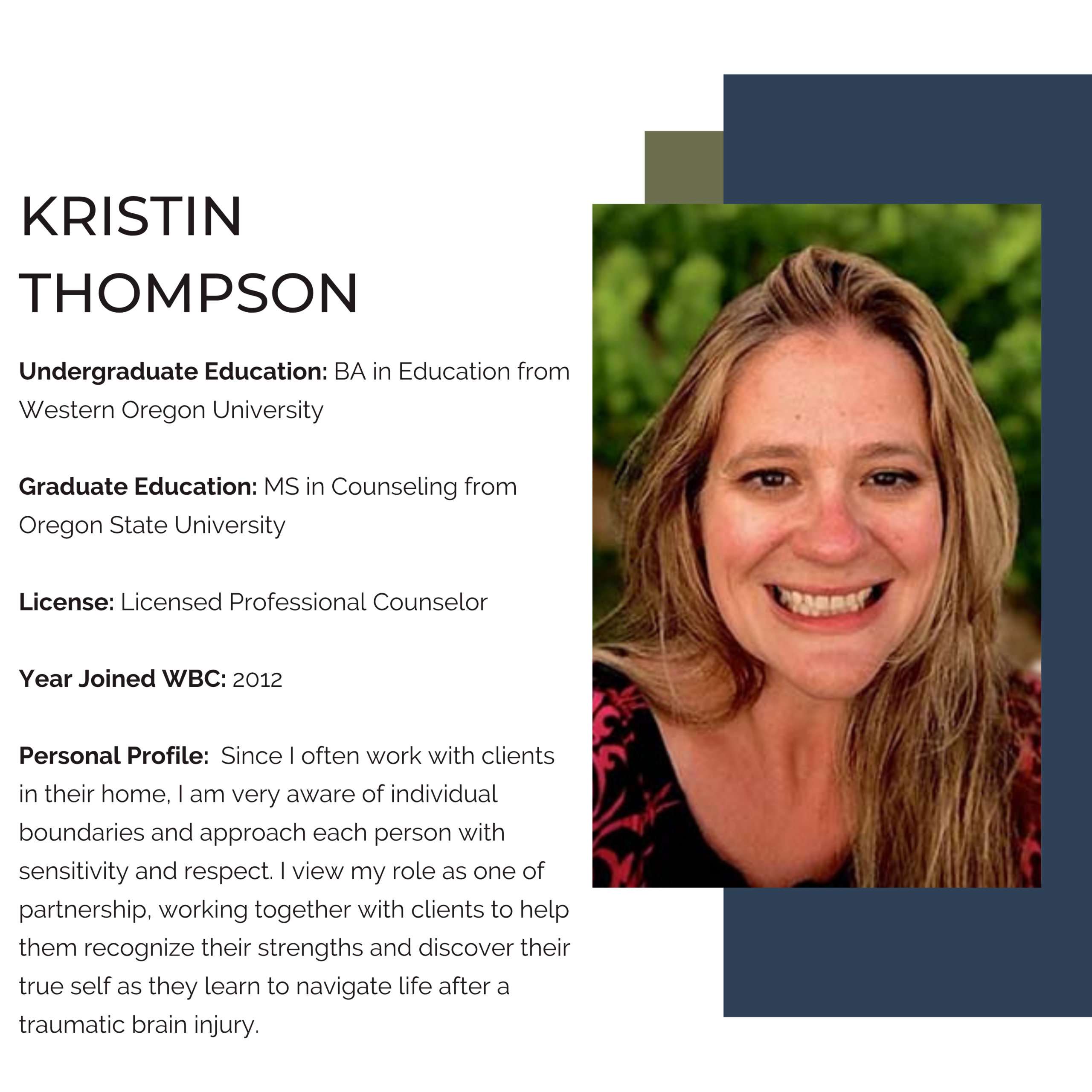
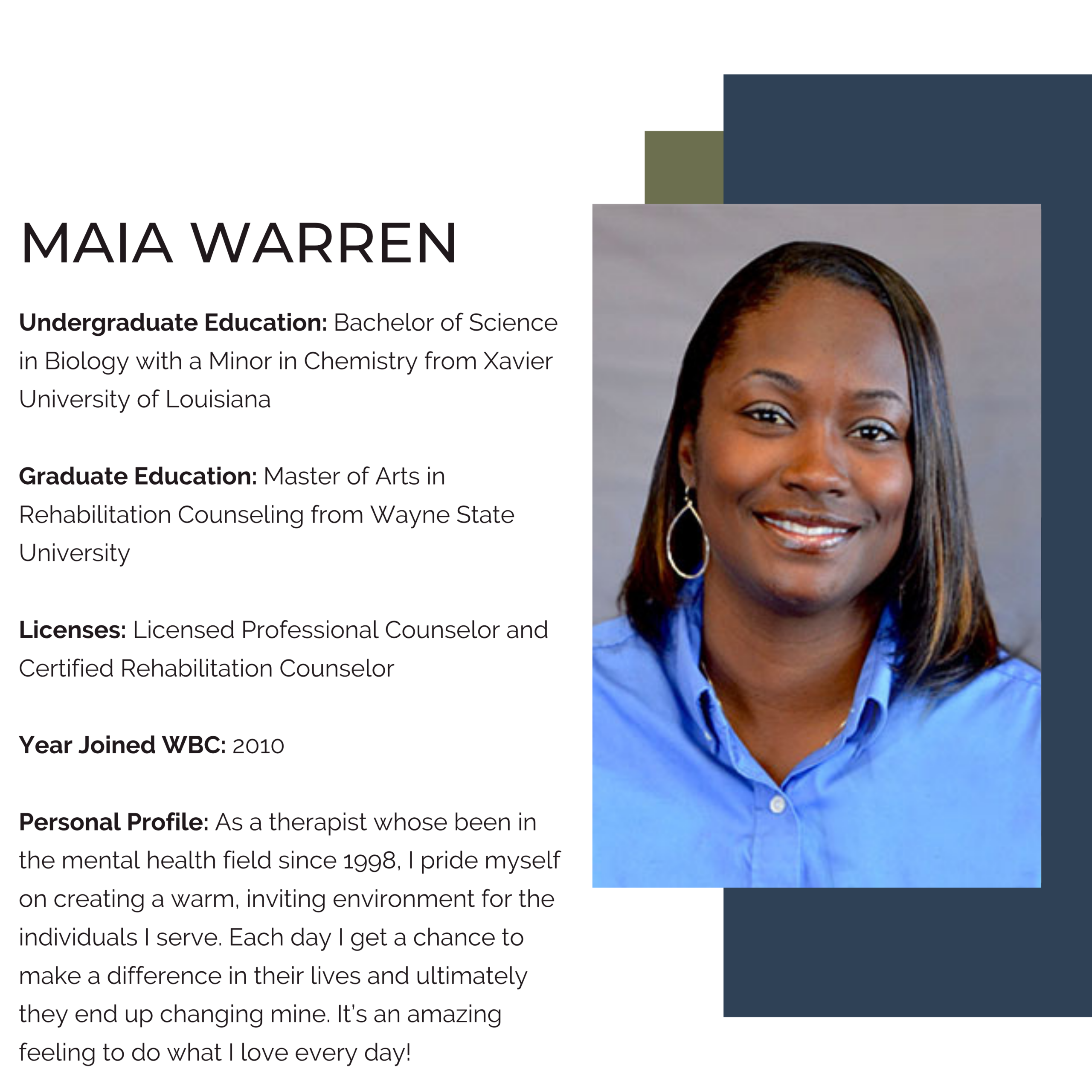
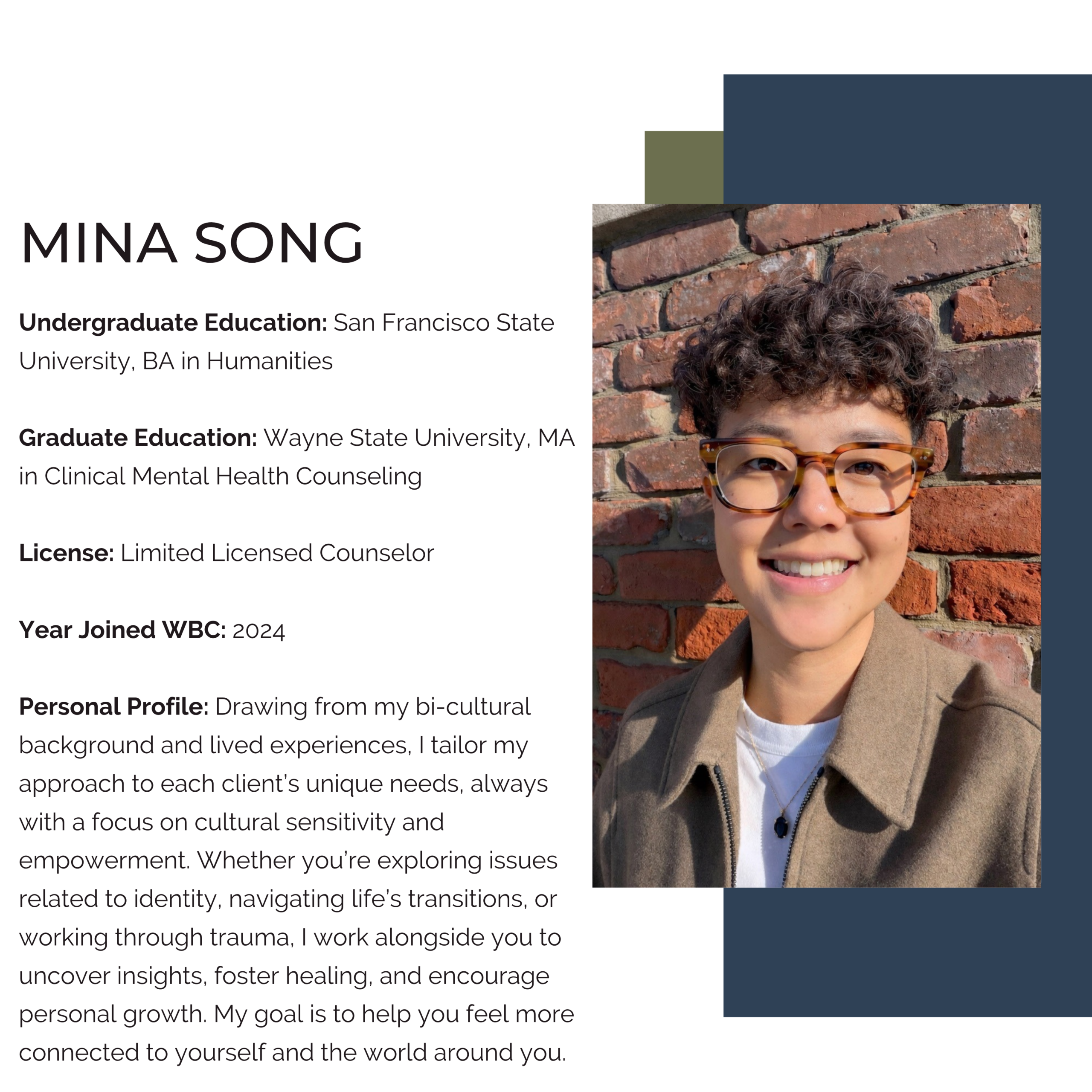
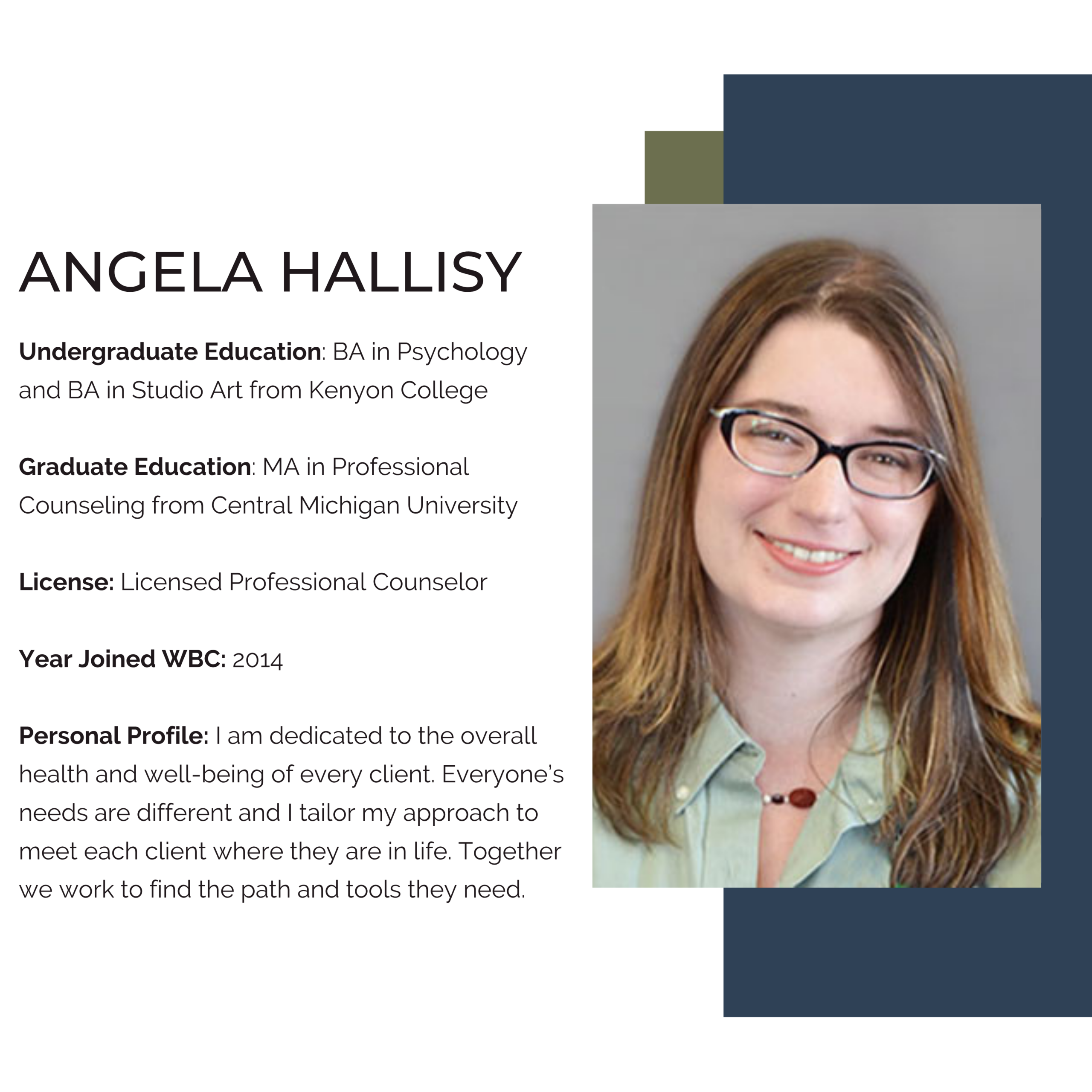
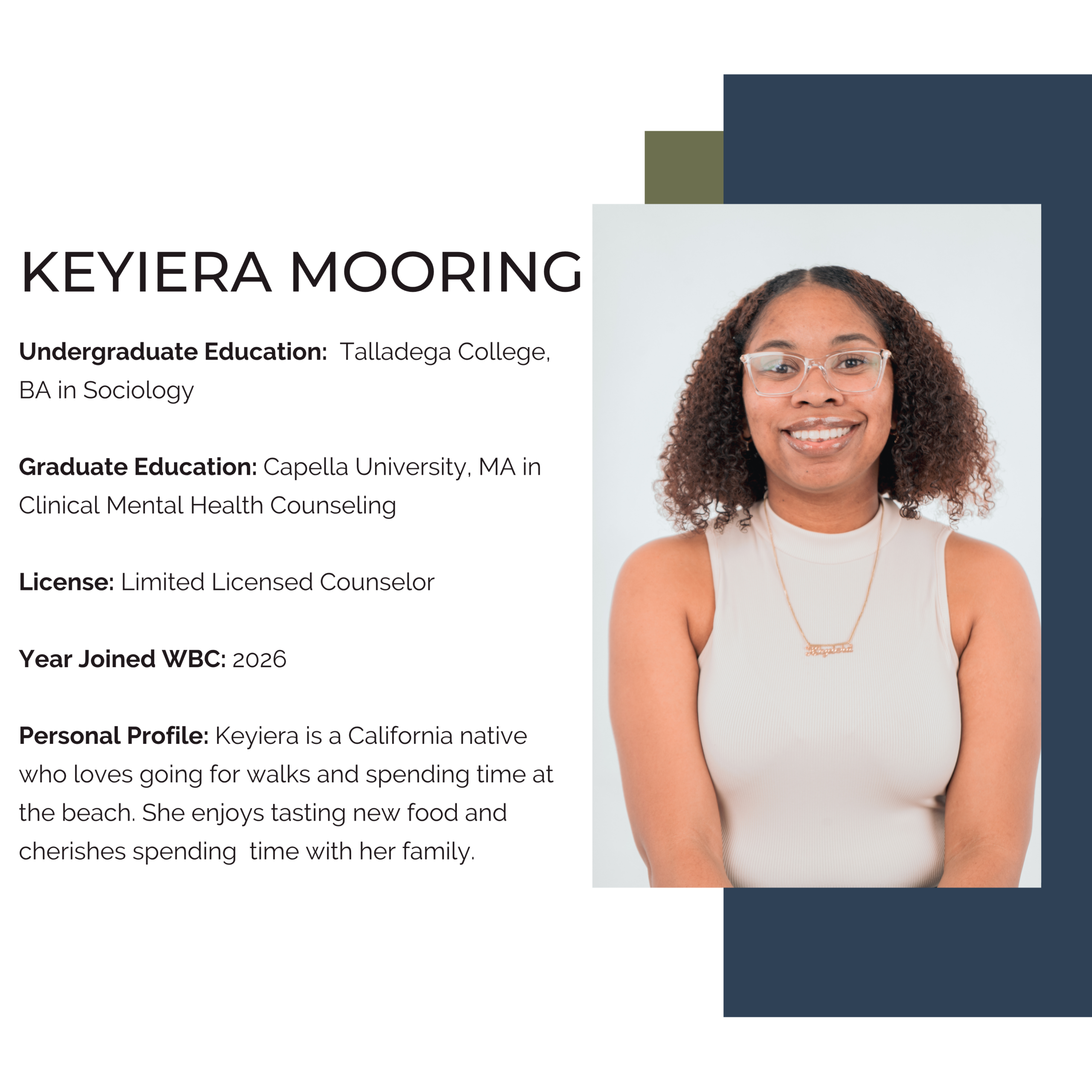
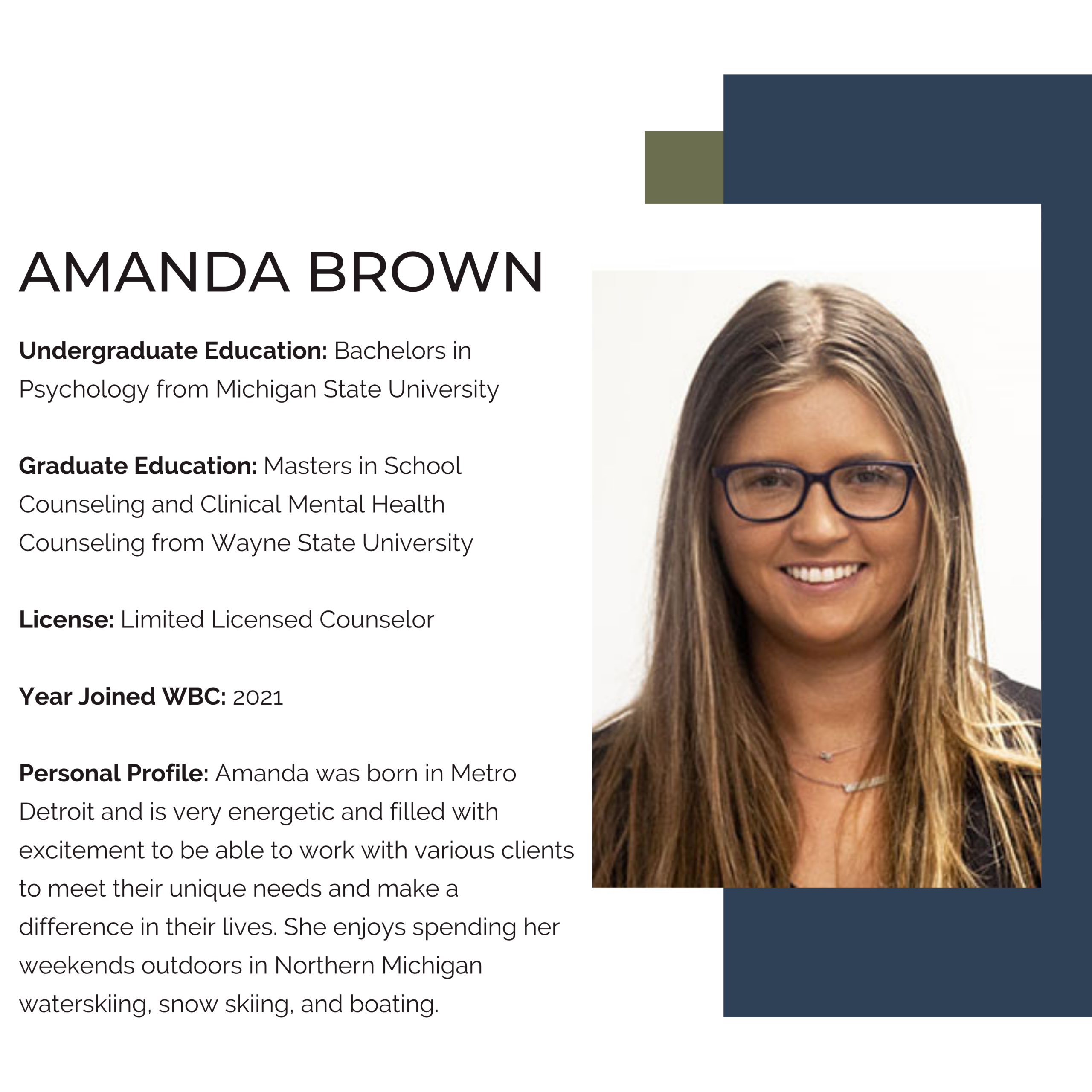
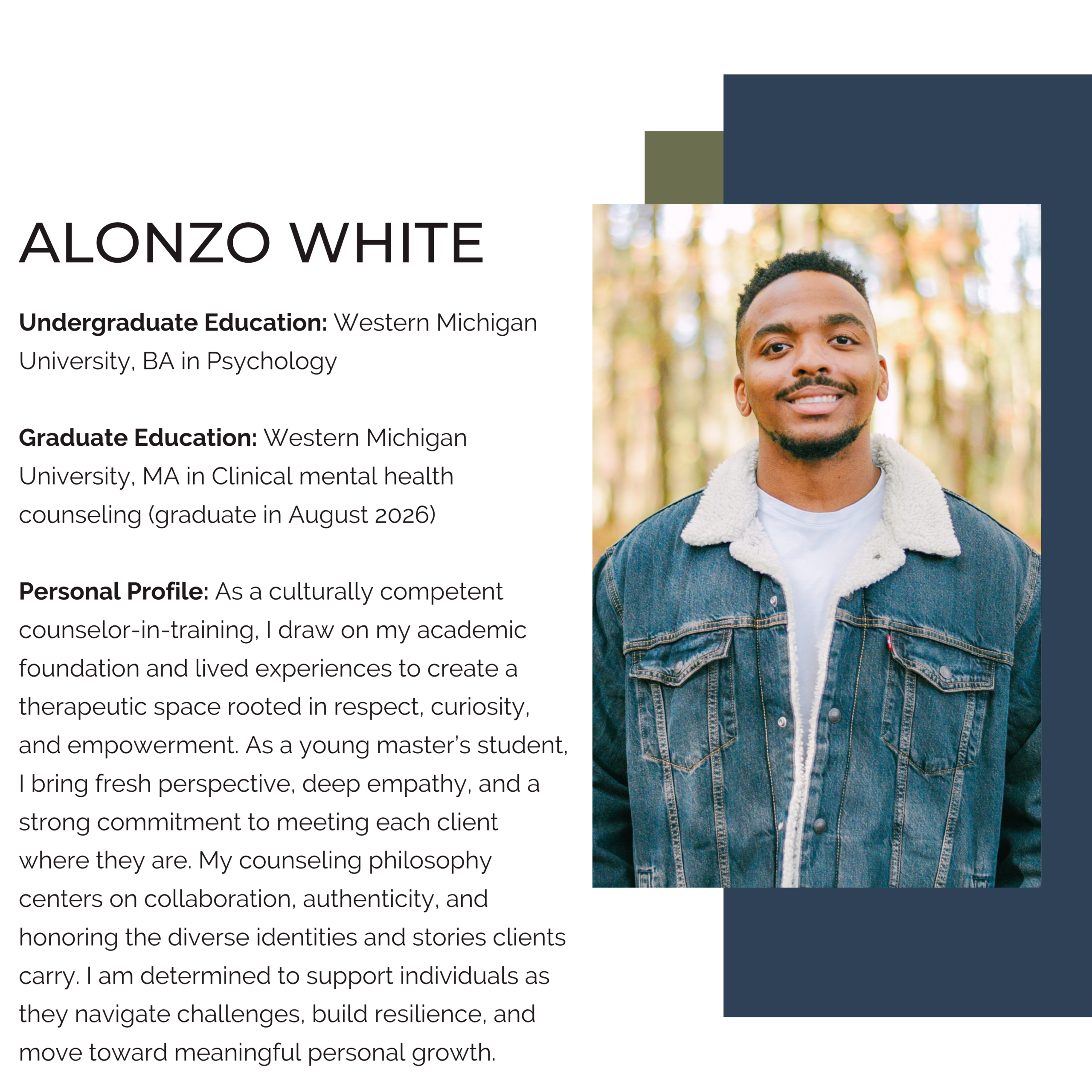
At WBC Counseling, supporting individuals with traumatic brain injuries is not simply one of many services we provide—it is one of our primary areas of clinical expertise.
Our team has extensive experience helping individuals navigate the emotional and psychological effects of brain injuries, including anxiety, depression, trauma, life transitions, and changes in daily functioning.
We believe every client deserves care that is:
- Trauma-informed
- Compassionate and respectful
- Individualized to their goals
- Grounded in evidence-based practices
- Focused on long-term healing and resilience
Rather than asking clients to fit into a treatment plan, we tailor our approach to meet each individual’s unique needs and recovery journey.
Serving Individuals Throughout Michigan
Specialized therapy should be accessible to everyone who needs it.
WBC Counseling proudly serves individuals across Michigan through both in-person counseling and secure teletherapy services. Whether you are recovering from a recent concussion or navigating the long-term effects of a traumatic brain injury, our team is committed to providing compassionate, personalized support.
Our mission is simple: to help individuals feel heard, understood, and empowered as they move forward in their recovery.
Finding the Right Therapist Can Make All the Difference
Choosing a therapist is an important decision, especially after a traumatic brain injury. Experience, compassion, and a trauma-informed approach all play a significant role in creating a positive therapeutic relationship.
If you or a loved one is looking for specialized support after a traumatic brain injury, WBC Counseling is here to help.
Our experienced clinicians are dedicated to providing individualized, trauma-informed care that supports emotional healing, resilience, and hope.